Winter Food in Tajima
Matsuba crab, Tajima beef and Iwatsu green onions: when they are in season, how to enjoy them and a sample food trip from Wadayama.
Contents
Snow crab, Tajima beef and Iwatsu green onions — a winter food trip to Tajima
When winter comes, the Tajima region of northern Hyogo enters its tastiest season. Crab fishing opens on the Sea of Japan, Iwatsu green onions grow sweet in the cold fields of Asago, and Tajima beef — the bloodline behind many of Japan’s famous wagyu brands — is good all year round.
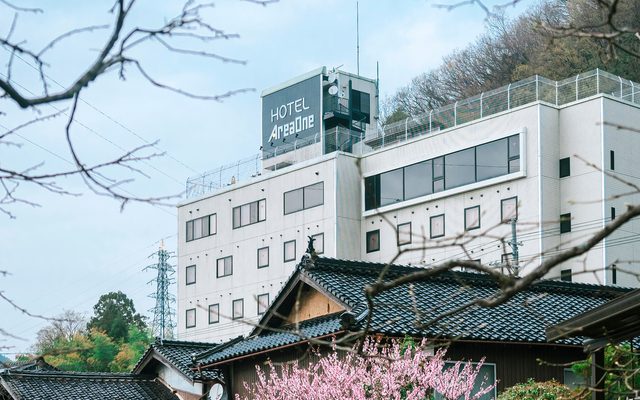
This guide introduces three winter flavors of Tajima and how to enjoy them, from the staff of HOTEL AreaOne Wadayama.
| Food | Season |
|---|---|
| Matsuba crab (matsuba-gani) | November 6 to around March 20 (female Seko crab: until around the end of December) |
| Tajima beef (Tajima-gyu) | All year; yakiniku and sukiyaki are especially good in winter |
| Iwatsu green onion (Iwatsu-negi) | From around late November to early spring |
Matsuba crab: the star of winter
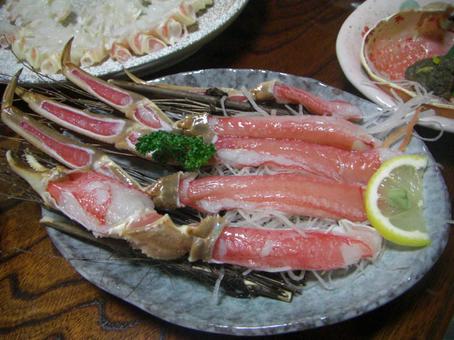
Season opens on November 6
Matsuba crab is the name for male snow crabs caught in this part of the Sea of Japan. To protect the stock, the fishing season is fixed: it opens on November 6 every year and runs to around March 20.
Tajima has several fishing ports, including Tsuiyama, Shibayama, Kasumi and Hamasaka. Crabs from each port carry a colored tag showing where they were landed — look for it at shops and restaurants.
Don’t miss the female Seko crab
Female snow crabs, called Seko crab (seko-gani), are smaller but prized for their rich roe. Their season is shorter, usually until around the end of December.
Where to eat
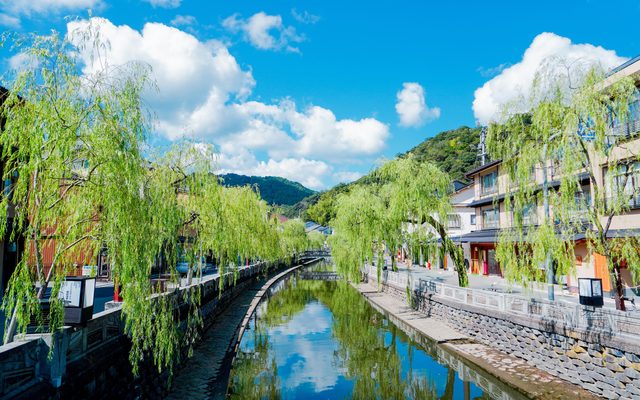
Kinosaki Onsen, Kasumi and Hamasaka on the coast have many inns and restaurants serving crab: boiled, grilled, raw or in a hot pot (kani-suki). Prices change a lot from year to year, so check the menu in advance. Kinosaki Onsen is about 1 hour by car from Wadayama.
Tajima beef: the roots of Japan’s wagyu
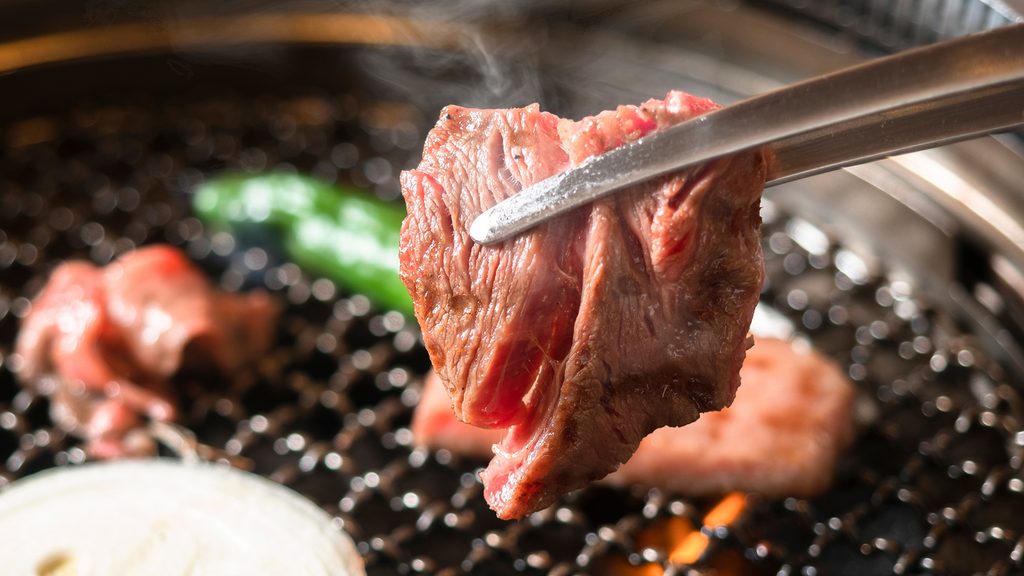
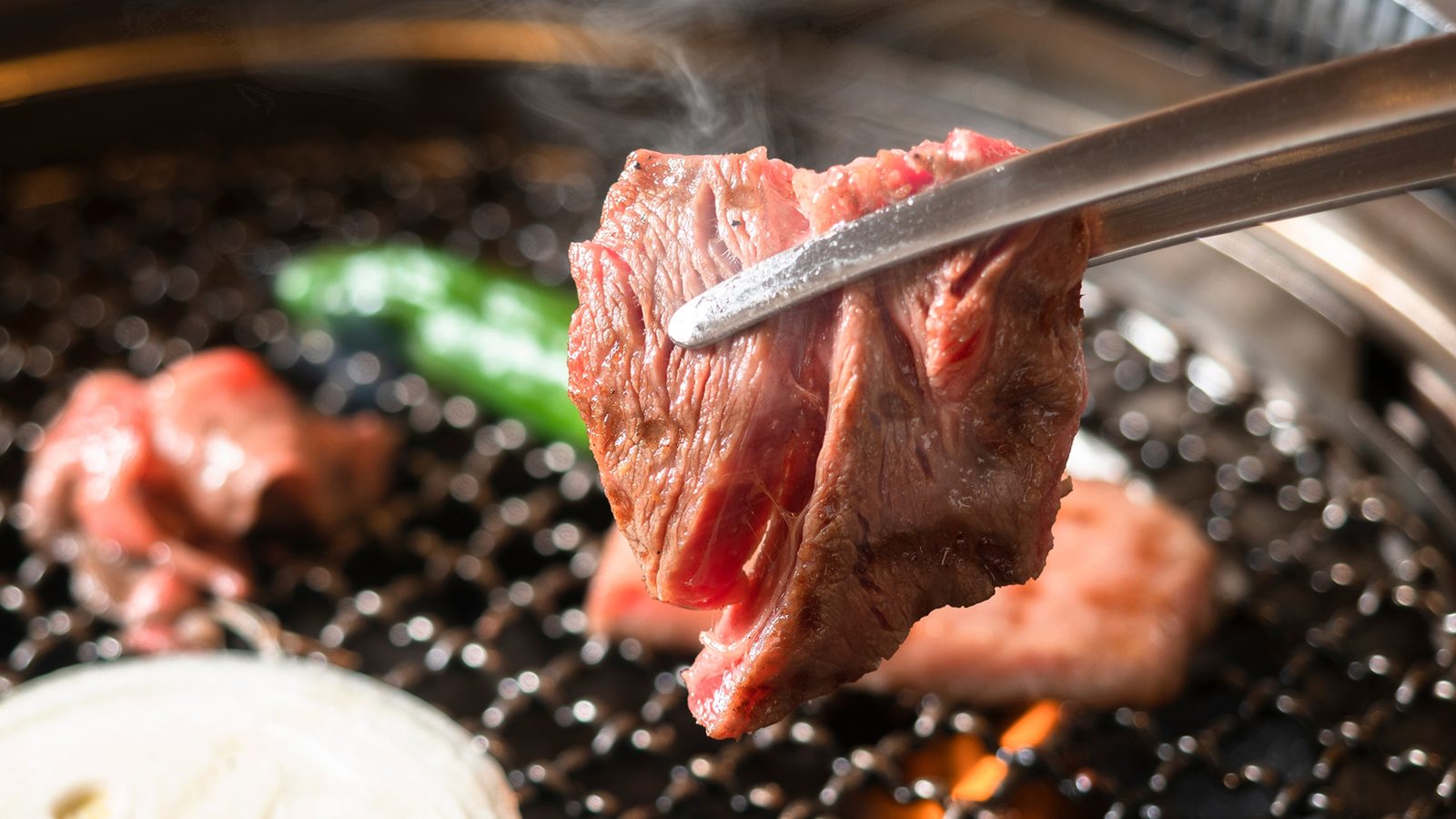
Tajima is the home of Tajima cattle, said to be the roots of many famous wagyu brands such as Kobe beef and Matsusaka beef. The meat is known for its fine texture and sweet, melting fat. Yakiniku (Japanese barbecue) and sukiyaki are perfect on a cold winter night.
In Wadayama, the hotel offers a plan with a local yakiniku restaurant run by a Tajima beef dealer (official Japanese booking site only).
Iwatsu green onion: a local winter treasure
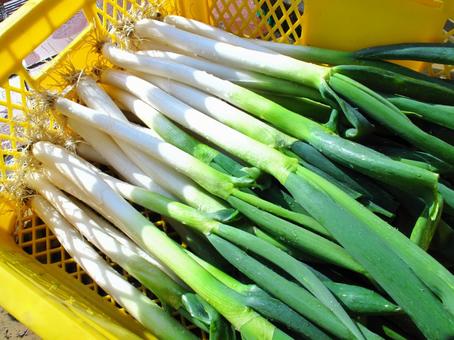
A traditional vegetable of Asago
Iwatsu green onions have been grown in Asago City, where Wadayama is located, since the Edo period. In January 2025, the farming system of the Asago area centered on Iwatsu green onions was recognized as a Japanese Nationally Important Agricultural Heritage System.
Sweet and tender from leaf to root
The whole onion, from the green leaves to the white stem, is soft and sweet. Sales start around late November, and the onions get sweeter as the cold deepens. Because they break easily, they are harvested by hand.
- Hot pot: cut into chunks and add to crab or beef hot pots
- Grilled: simply grill thick pieces until soft inside
- Sukiyaki: pair with Tajima beef for a true Asago combination
Where to buy
In season, you can find them at roadside stations (michi-no-eki) in Asago, such as “Tajima no Mahoroba” and “Asago,” and at farm stands.
* In years with heavy snow, supply may be limited.
Sample 1-night food trip
Day 1
- MorningTravel from Osaka or Kobe
- LunchStop at a roadside station in Asago for Iwatsu green onions and local products
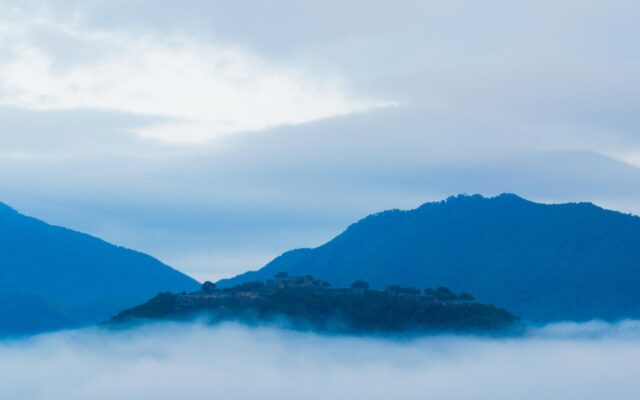
- AfternoonWalk the old town of Takeda (Takeda Castle Ruins is closed January 4 to the end of February)
- EveningCheck in at HOTEL AreaOne Wadayama; Tajima beef yakiniku for dinner
Day 2
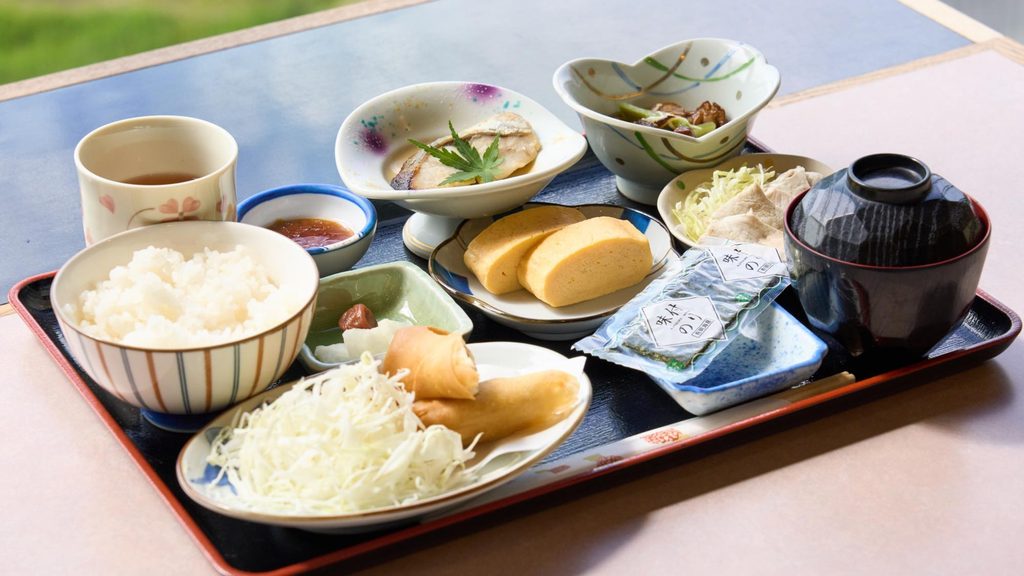
- MorningJapanese breakfast at the hotel
- Late morningHead to Kinosaki Onsen or Kasumi (about 1 hour or more by car)
- LunchCrab lunch
- AfternoonBathhouse hopping in Kinosaki and souvenir shopping, then head home
Before you go
- Snow: Tajima gets snow in winter. If you drive from December to February, you need winter tires (renting a car? Ask for snow tires when you book)
- Book crab restaurants: weekends in the season are busy
- New Year holidays: check opening days and book early
FAQ
Q. When is crab season?
A. Matsuba crab: November 6 to around March 20. Seko crab (female): until around the end of December.
Q. When are Iwatsu green onions in season?
A. From around late November to early spring.
Q. How far is Kinosaki Onsen from Wadayama?
A. About 1 hour by car. Trains also run from JR Wadayama Station on the San’in Line.
Summary
Matsuba crab from the Sea of Japan, Tajima beef and Iwatsu green onions from the cold fields of Asago — winter in Tajima is worth the trip just for the food. Go to the coast for crab, come back to Wadayama for Tajima beef, and take some Iwatsu green onions home.